PROTECT OUR OCEANS – CREATE AND STRENGTHEN MARINE SANCTUARIES
The Australian Government is reviewing how Australia’s marine parks are managed.
With your support, we can care for the oceans that care for us.
Together, we can turn the tide for Australia’s oceans by calling on our leaders to create and strengthen marine sanctuaries. Add your name today!
BREAKING NEWS: A once-in-a-generation chance to protect our oceans.
The Australian Government has committed to protecting at least 30% of our oceans by 2030, and we’re just 6% away from turning that promise into action.
Right now, the government is reviewing how our marine parks are managed, and public voices like yours matter. This is a rare moment to protect our oceans for future generations. We’re calling on the government to create and expand marine sanctuaries, strengthen ocean protections, and deliver on the 30 by 30 commitment.
PROTECT OUR OCEANS – CREATE AND STRENGTHEN MARINE SANCTUARIES
The Australian Government is reviewing how Australia’s marine parks are managed.
With your support, we can care for the oceans that care for us.
Together, we can turn the tide for Australia’s oceans by calling on our leaders to create and strengthen marine sanctuaries. Add your name today!
BREAKING NEWS: A once-in-a-generation chance to protect our oceans.
The Australian Government has committed to protecting at least 30% of our oceans by 2030, and we’re just 6% away from turning that promise into action.
Right now, the government is reviewing how our marine parks are managed, and public voices like yours matter. This is a rare moment to protect our oceans for future generations. We’re calling on the government to create and expand marine sanctuaries, strengthen ocean protections, and deliver on the 30 by 30 commitment.
Our oceans care for us. Now they need us to care for them.
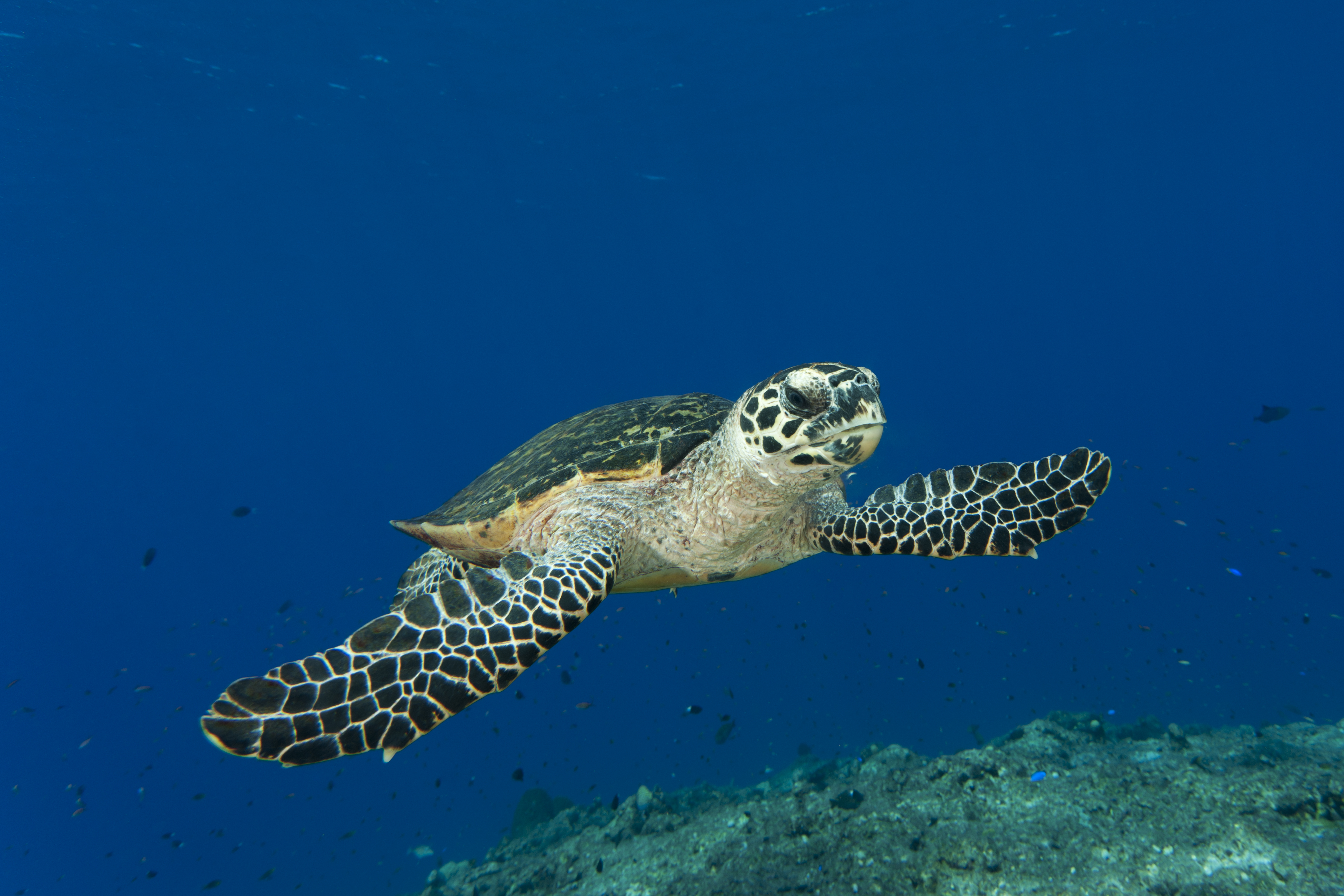
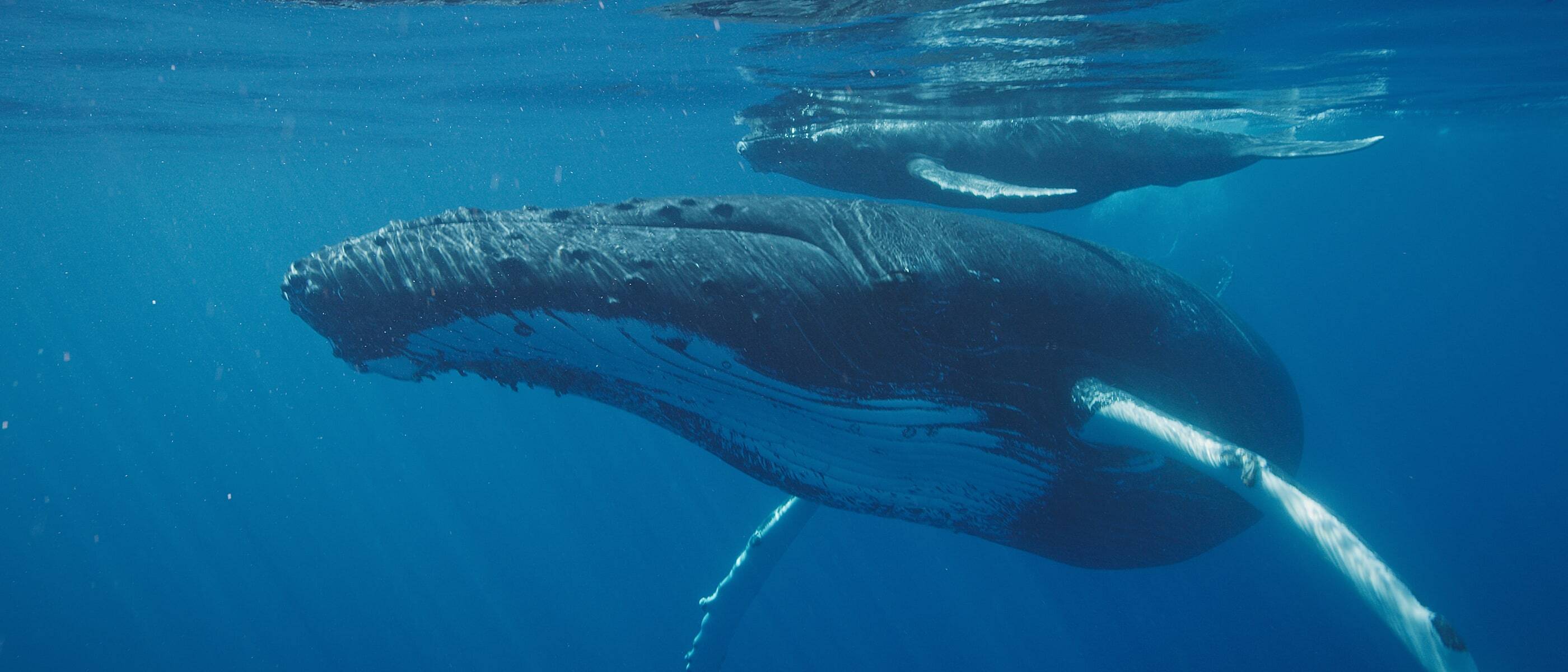
Australia’s oceans amaze, sustain and connect us all. They regulate our climate, support our communities, and are home to the wildlife we love, from whales and turtles to the smallest life beneath the surface.
But our oceans are under growing pressure. Climate change, pollution, overfishing and weak protection are putting Saltwater Country at risk. Ancient migration routes are becoming more dangerous. Critical habitats remain unprotected.
Right now, Australia has a powerful opportunity to change course.
With stronger marine sanctuaries, protected blue corridors and better management of our oceans, we can create safe havens and safe passage for ocean life, protect Saltwater Country, and ensure our oceans can support future generations.
What we're calling for
We’re calling on the Australian government to create and strengthen marine sanctuaries to protect at least 30 per cent of Australia’s oceans by 2030. Together, we can turn the tide for our oceans if we:
- Deliver on Australia’s commitment to protect at least 30% of our oceans by 2030.
- Create and strengthen marine sanctuaries.
- Protect and connect blue corridors used by migratory species like whales, turtles, and other ocean life.
- Ensure decisions are guided by First Nations leadership, science, and community voices.
Why caring for our oceans matters
Safe havens. Safe passage. A living ocean. When our oceans thrive, we thrive.Wildlife
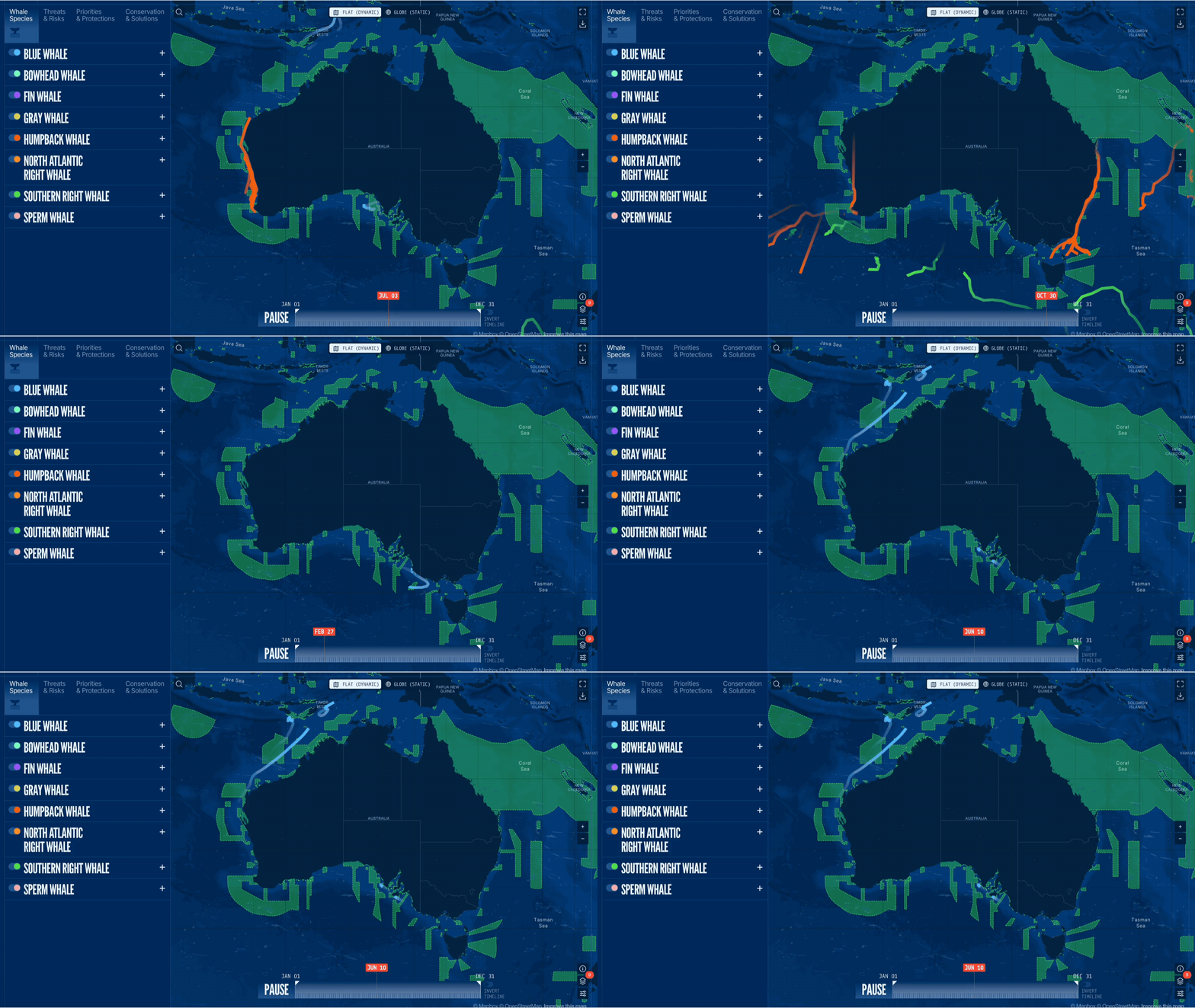
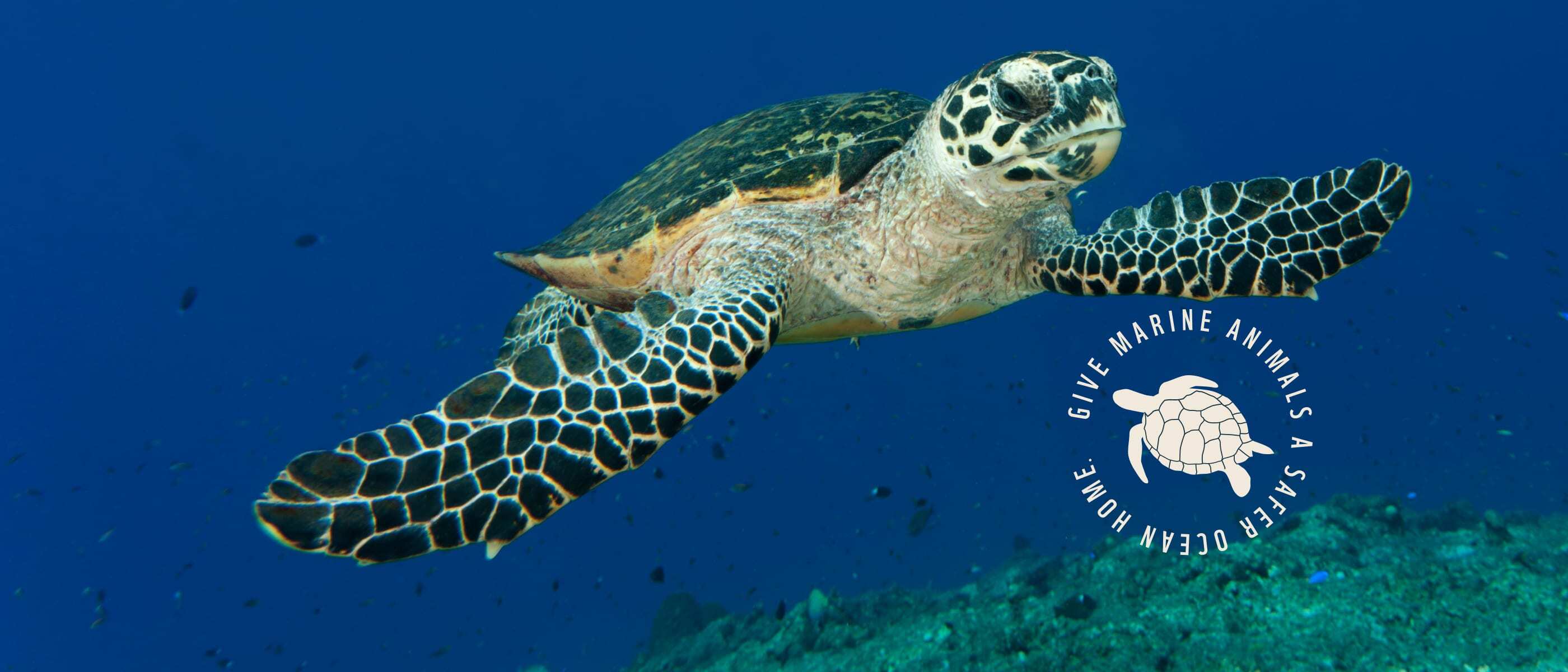
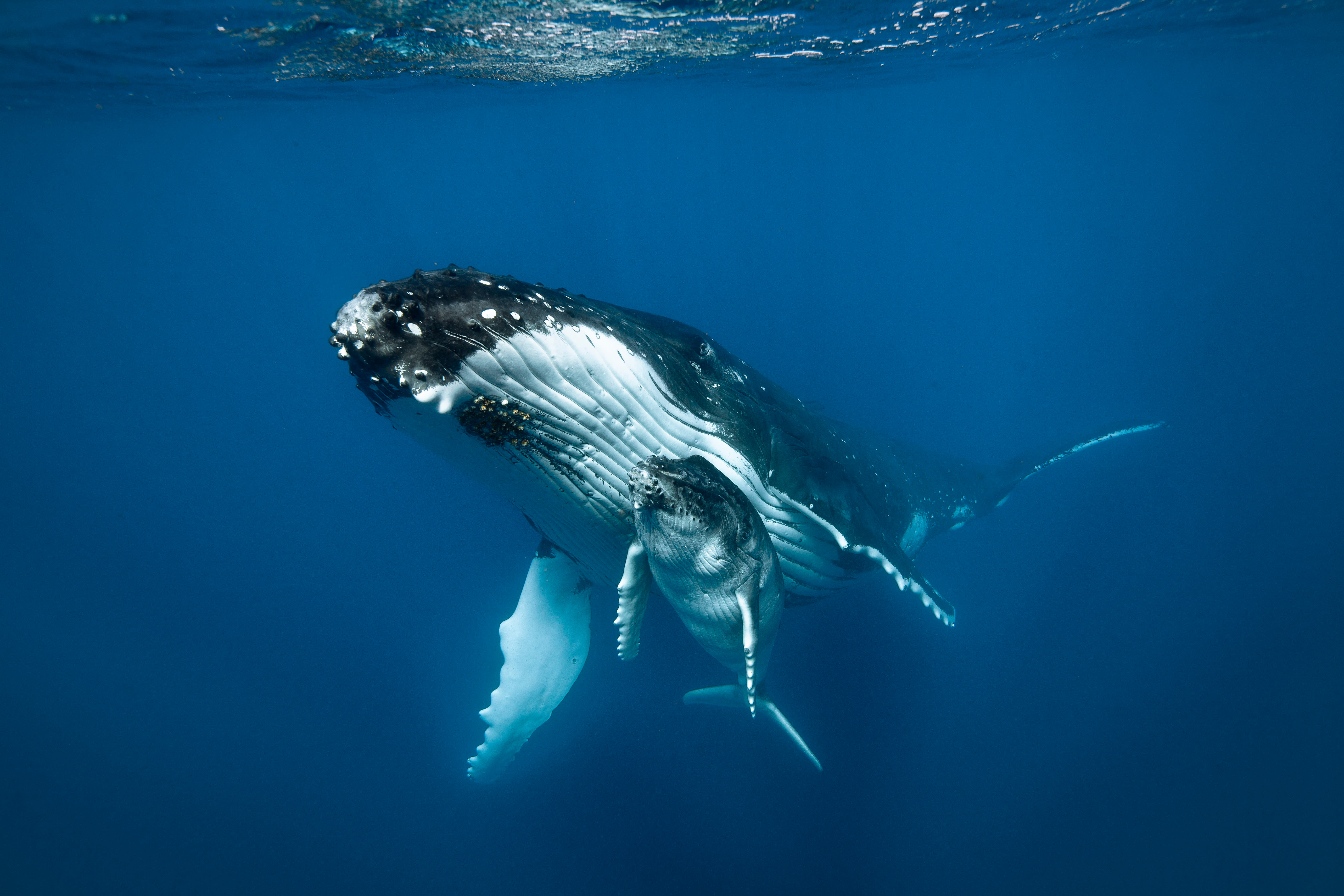
Every year, whales and turtles follow ancient migration routes across our oceans; journeys they’ve made for thousands of years to feed, breed and raise their young. These pathways are more than lines on a map. They are lifelines, connecting critical habitats across vast ocean spaces.
First Nations
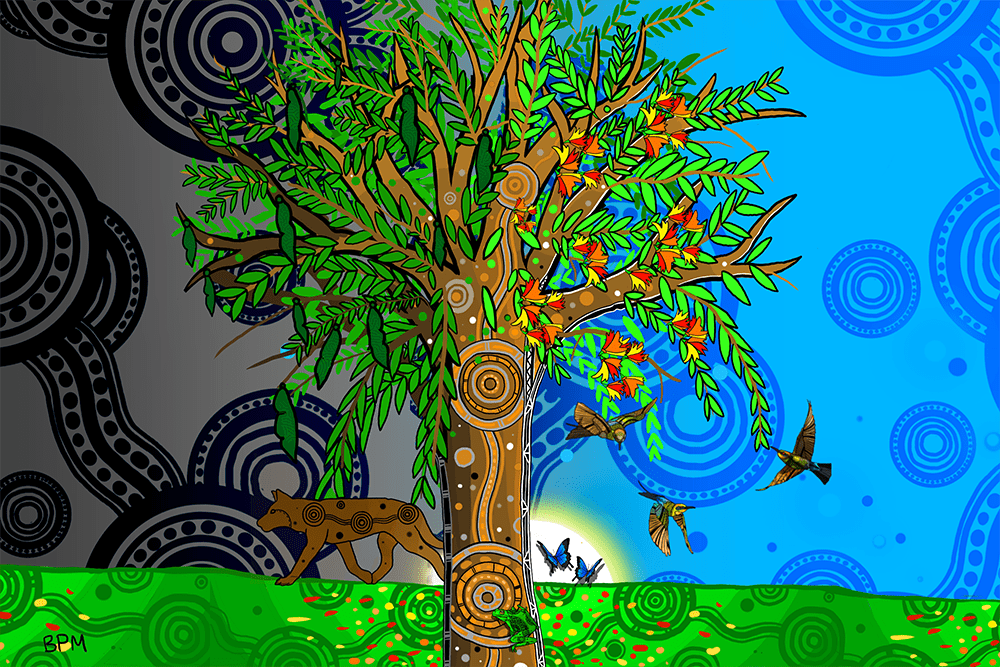
Australia is an island nation surrounded by ocean, with First Nations connection to Saltwater Country stretching back many thousands of years. WWF-Australia is listening to, learning from and working alongside First Nations peoples and local communities across Australia and the Pacific, to inspire and help our region care for Southern Hemisphere oceans.
Communities
Healthy oceans also protect all of us. They help regulate our climate, support food systems and sustain coastal communities. When we create safe havens and safe passage for ocean life, we strengthen the systems that keep our planet and our communities healthy.
Protecting our oceans means protecting life, culture and connection, now and for generations to come.
Marine Sanctuaries FAQs
What is a Marine Protected Area (MPA)?
Marine protected areas (MPAs) are areas of the ocean where activities are managed or restricted to protect marine ecosystems, wildlife and cultural values. Within MPAs there may be different types of activities including fishing, tourism and other commercial activities.
What’s the difference between a MPA and a marine sanctuary?
Marine sanctuaries are areas of strict protection where all extractive uses are prohibited. They are protected by law with the aim of providing a safe haven for species and habitats and conserving important cultural and environmental values.
Bringing together our influence, scientific expertise and the power of our community of ocean loving supporters, WWF-Australia is working to secure the protection of 100 million hectares of ocean in the southern hemisphere by 2030. This will provide safe places for whales, dolphins, turtles, seabirds, fish, krill and many other ocean species to live, breed and thrive.
Our work will help Australia achieve its goal of protecting 30 per cent of Australia’s oceans within marine sanctuaries by 2030.
What is 30X30?
30 by 30 is a global pledge by nearly every country on our planet – including Australia – to make at least 30 per cent of Earth’s land and oceans safe for nature by 2030 by creating new protected areas.
If 30 by 30 can be achieved, more of the animals and plants we love will have safe places to live. And because keeping nature healthy is one part of the solution to climate change, 30 by 30 can help limit the harm from global warming and extreme weather.
WWF-Australia strongly supports the 30 by 30 pledge as a nature-based solution to the nature and climate crises. We’re combining our scientific expertise and political influence, together with the voices of our community of nature lovers, to help Australia achieve its 30 by 30 goal.
How close is Australia to its 30X30 goal?
The Australian Government has set a national target to protect and conserve 30% of Australia’s landmass and 30% of Australia’s marine areas by 2030. WWF-Australia strongly supports 30 by 30 as a nature-based solution to the nature and climate crises and we’re working to help Australia achieve this goal. Right now, about 25 per cent of Australia’s land area is protected and about 24 per cent of Australia’s marine area is protected in marine sanctuaries. But 30 by 30 is also about more than numbers. It’s about making sure the right places are protected to help keep nature safe and all of us healthy. On land, the remaining 5% must be focused on protecting the ecosystems that currently have the least protection, rather than adding more of the areas that are already well covered. Many of the current marine sanctuaries are very remote, so there are important opportunities to protect more marine areas closer to the coast. It’s also vital that First Nations people are helping to lead this work.
WWF-Australia is listening to, learning from and working with First Nations peoples across Australia. We’re also supporting and sharing scientific research, to help Australia achieve 30 by 30 the right way. Learn more about Indigenous-led work on Country.
What are blue corridors and why do they matter?
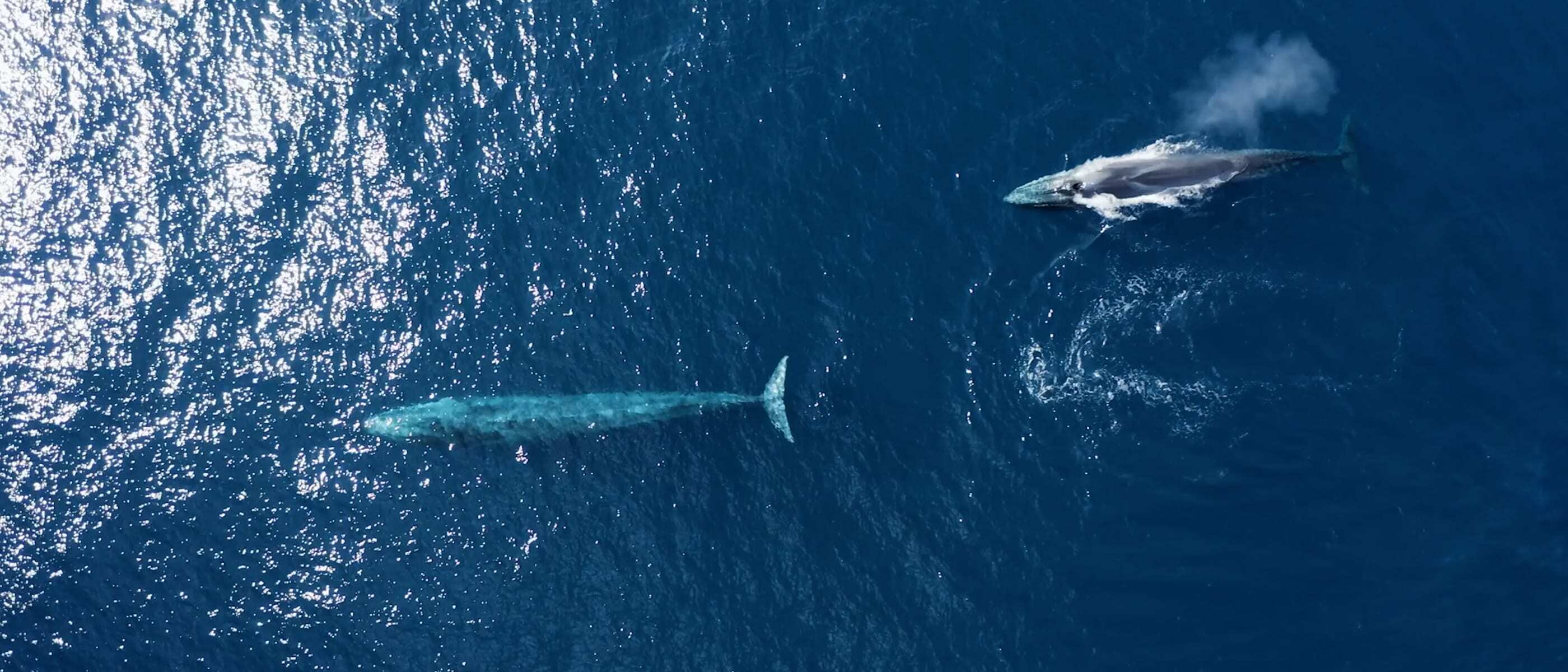
Blue corridors track the migration pathways for whales and other marine life, essential lifelines for their safety and survival. WWF is working with scientific partners and local communities to track the migration of whales through the Pacific, along the Australian coast to Antarctica, and understand threats from ships, underwater noise, pollution and climate change. Using that knowledge, WWF-Australia is working with governments, scientists and communities to create safe pathways for whales, dolphins and other ocean wildlife to feed, breed, play and migrate. Learn more by exploring the world’s first interactive map of whale migration routes, a collaboration between WWF and more than 50 global research groups.